


 The Excel Team
2 min read
Excel Courier Expands Biomedical Courier & Logistics Services
Excel Expands Biomedical Courier and Logistics Services Adding a Full-service Facility, Cold Storage Options, and Biomedical Clientele **This was...
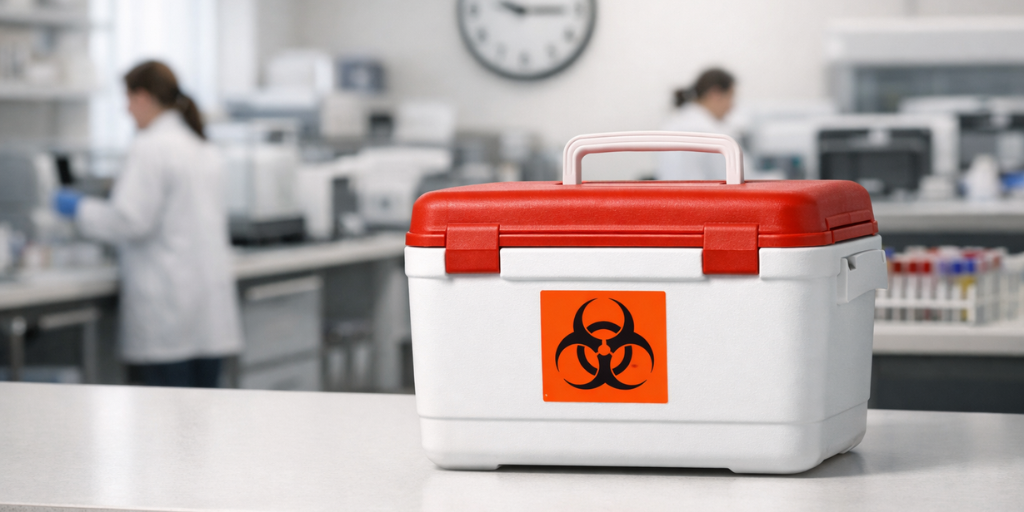


When a laboratory sample arrives late, the consequences extend far beyond transportation.
Delayed specimens can impact diagnostic turnaround times, disrupt patient care schedules, create additional administrative work, and increase operational costs. In some cases, transport issues may even require recollection of specimens, forcing providers and patients to repeat the process entirely.
While laboratories invest heavily in equipment, testing methodologies, staffing, and quality systems, specimen transportation remains one of the most overlooked variables affecting turnaround times.
The good news is that most courier-related delays are preventable.
This guide explores seven of the most common causes of laboratory sample transport delays and practical steps laboratories can take to reduce risk, improve reliability, and protect specimen integrity.
Click the orange text to jump to the section
Laboratories work hard to control every aspect of the testing process, but specimen transportation can introduce risks that affect turnaround times, compliance, and patient care. The causes highlighted below are among the most common reasons samples are delayed in transit and were selected based on their frequency, operational impact, and ability to disrupt laboratory workflows. Understanding these challenges can help laboratories identify potential vulnerabilities and implement strategies to keep specimens moving efficiently from collection to testing.
Transportation delays often begin with poor route planning.
Traffic congestion, road closures, construction zones, weather events, and inaccurate scheduling assumptions can quickly cause drivers to miss pickup or delivery windows. The problem becomes even more significant when multiple stops are involved.
Laboratories should look for transportation partners that utilize:
Technology alone is not enough. Regional experience also plays a critical role. Drivers who understand local traffic patterns, facility access points, and alternate routes can often avoid delays before they occur.
Establish KPIs with your courier and schedule regular reviews to go over performance data to identify recurring delay patterns by geography, route, or pickup time.
Verify pickup and delivery addresses, suite numbers, dock locations, and access instructions.
Provide accurate contact information for both the sending and receiving locations.
Communicate any known access restrictions, parking requirements, or security procedures in advance.
Specimens frequently change hands multiple times between collection and testing.
When documentation is incomplete, inaccurate, or missing altogether, receiving facilities may delay processing while information is verified. In regulated environments, documentation issues can create compliance concerns and compromise defensibility.
Establish standardized chain-of-custody procedures that include:
Digital documentation systems significantly reduce the risk of missing information and improve audit readiness.
Periodically audit specimen transport records to identify recurring documentation issues before they become larger compliance concerns.
Many laboratory specimens must remain within specific temperature ranges throughout transit.
Exposure to temperatures outside required thresholds can compromise specimen integrity, resulting in rejected samples, inaccurate testing, or recollection requests.
Laboratories should ensure transportation providers have:
The transportation method should align with the specific requirements of the specimen being transported.
Require temperature monitoring documentation for all temperature-sensitive specimens and establish clear escalation procedures if an excursion occurs.
Specimen transportation involves multiple stakeholders, including collection sites, laboratory personnel, dispatch teams, drivers, and receiving locations.
When communication fails, delays become more likely.
Examples include:
Strong communication systems should include:
The goal is to ensure everyone involved has access to accurate information when they need it.
Develop communication protocols for urgent specimens so that responsibilities and response expectations are clearly defined.
Laboratories do not always operate on traditional business schedules.
Hospitals, emergency departments, pathology groups, and diagnostic facilities often require specimen transportation during evenings, weekends, and holidays.
If courier coverage is unavailable, specimens may sit for hours before transport begins.
Evaluate transportation providers based on:
Coverage consistency is particularly important for facilities handling STAT or time-sensitive specimens.
Review historical transport needs and ensure transportation resources align with actual operating hours rather than standard business schedules.
Not all specimen transportation requirements are the same.
A single urgent specimen may require a different transportation solution than bulk laboratory pickups, temperature-sensitive materials, or medical equipment.
Using the wrong vehicle can create unnecessary delays, access challenges, or handling concerns.
Transportation plans should consider:
A diverse fleet provides greater flexibility when transport requirements vary.
Create transportation guidelines that match specimen types and shipment profiles with appropriate vehicle requirements.
Many transportation delays originate before a driver even begins a route.
Manual scheduling processes often rely on phone calls, emails, handwritten instructions, or duplicate data entry. These workflows increase the likelihood of errors, omissions, and communication failures.
Modern laboratories increasingly utilize:
Reducing manual touchpoints improves accuracy and creates greater visibility throughout the transportation process.
Work alongside your transportation partner to map your current specimen transportation workflow and identify areas where automation can eliminate repetitive tasks and reduce human error.
Temperature excursions are among the most costly transportation failures laboratories encounter.
The effects vary based on specimen type, but common consequences include:
Beyond laboratory impacts, temperature failures may delay treatment decisions, increase costs, and negatively affect patient experience.
Maintaining a documented cold chain throughout transport remains one of the most important quality controls in laboratory logistics.
While requirements vary by organization and specimen type, most laboratories require transportation records that include:
Electronic recordkeeping improves traceability, supports accreditation requirements, and simplifies audits.
| Delay Cause | Impact on Turnaround Time | Prevention Difficulty |
|---|---|---|
| Routing errors | 30-90 minutes per occurrence | Low with proper technology |
| Chain-of-custody gaps | Hours to days for verification | Low with trained drivers |
| Temperature excursions | Full retest required | Moderate equipment investment |
| Communication gaps | Variable coordination delays | Low with proper systems |
| Off-hours unavailability | 8-16 hours overnight wait | Requires staffing commitment |
| Wrong vehicle type | Capacity or access delays | Low with fleet flexibility |
| Manual scheduling errors | 15-60 minutes per error | Moderate IT coordination |
Reliable specimen transportation requires more than simply moving packages from one location to another. Laboratories need transportation partners who understand the operational, compliance, and chain-of-custody requirements that accompany every specimen.
For 40 years, Excel Courier has supported healthcare organizations throughout the Mid-Atlantic with specialized medical courier services designed for time-sensitive and temperature-sensitive shipments. Our drivers receive annual training in HIPAA compliance, bloodborne pathogens, specimen handling procedures, and chain-of-custody protocols to help maintain specimen integrity throughout transport.
We operate 24/7/365 and support hospitals, pathology groups, diagnostic laboratories, infusion pharmacies, and healthcare providers with scheduled routes, STAT deliveries, temperature-controlled transportation, and real-time shipment visibility. With locations serving the Washington, D.C., Baltimore, and Richmond markets, our team combines regional expertise with around-the-clock operational support to help laboratories maintain reliable turnaround times and uninterrupted patient care.
If your laboratory is evaluating ways to improve specimen transportation reliability, reduce delays, or strengthen chain-of-custody processes, Excel Courier can help assess your current logistics workflow and identify opportunities for improvement.

The most common causes include routing errors, chain-of-custody documentation gaps, temperature excursions, and limited driver availability during off-hours. Excel Courier addresses each of these through real-time GPS tracking, electronic documentation, temperature-controlled vehicles, and 24/7/365 operations.
Partner with a specialized medical courier service that offers real-time tracking, temperature monitoring, and round-the-clock availability. Excel Courier's dedicated laboratory logistics team understands the specific requirements of specimen transport and diagnostic turnaround times.
Chain-of-custody documents every person who handles a specimen from collection through testing. This documentation protects sample integrity, supports regulatory compliance, and ensures results can be legally defended. Excel Courier's electronic chain-of-custody system creates auditable records of every handoff.
Specimens exposed to temperatures outside their stability range may become compromised. Receiving laboratories reject these samples, requiring repeat collections that extend turnaround times by a day or more. Excel Courier's temperature-controlled vehicles and electronic monitoring prevent excursions before they occur.
Laboratories operating evening or overnight shifts need courier services that match their hours. When courier availability is limited to business hours, urgent specimens wait until morning. Excel Courier operates 24/7/365, including holidays, so your STAT deliveries happen when you need them.
Key factors include 24/7 availability, temperature-controlled transport, electronic chain-of-custody documentation, real-time tracking, and specialized training for drivers. Excel Courier offers all of these capabilities with regional expertise across the Mid-Atlantic.
Poor route planning can add 30 to 90 minutes per occurrence when drivers encounter traffic, construction, or unfamiliar roads. Excel Courier's real-time GPS tracking and 40 years of regional expertise enable dynamic route adjustments that keep your specimens moving.

2 min read
Excel Expands Biomedical Courier and Logistics Services Adding a Full-service Facility, Cold Storage Options, and Biomedical Clientele **This was...
.png)
1 min read
Spring, Summer, Fall, Winter, indoor, outdoor, North or South, land, air, or sea; medical specimens are transported to labs in all conditions. During...

1 min read
Why Businesses Use A Courier Service in Virginia, DC & Maryland Courier service is a fast, safe, and reliable way to get your items where they need...